Built for
Every Season.
Earthwork that breaks ground and snow removal that beats the storm. One crew, two counties, all four seasons — since 2019.
Three disciplines. Zero compromise.
Full-scope earthwork, asphalt maintenance, and dedicated snow & ice management built for every season.
Earthwork
Ground-up site work for builders, developers, and homeowners.
Seal & Asphalt
Pavement preservation, repair, and striping that keeps lots and drives looking new.
Snow Removal
24/7 storm coverage for commercial lots, HOAs, and private drives.
Rooted in the region.
We serve every town across Lake County, IL and Kenosha County, WI. Click a pin to request service for your town.
- Waukegan, IL
- Gurnee, IL
- Libertyville, IL
- Antioch, IL
- Lake Forest, IL
- Mundelein, IL
- Grayslake, IL
- Kenosha, WI
- Pleasant Prairie, WI
- Twin Lakes, WI
- Salem Lakes, WI
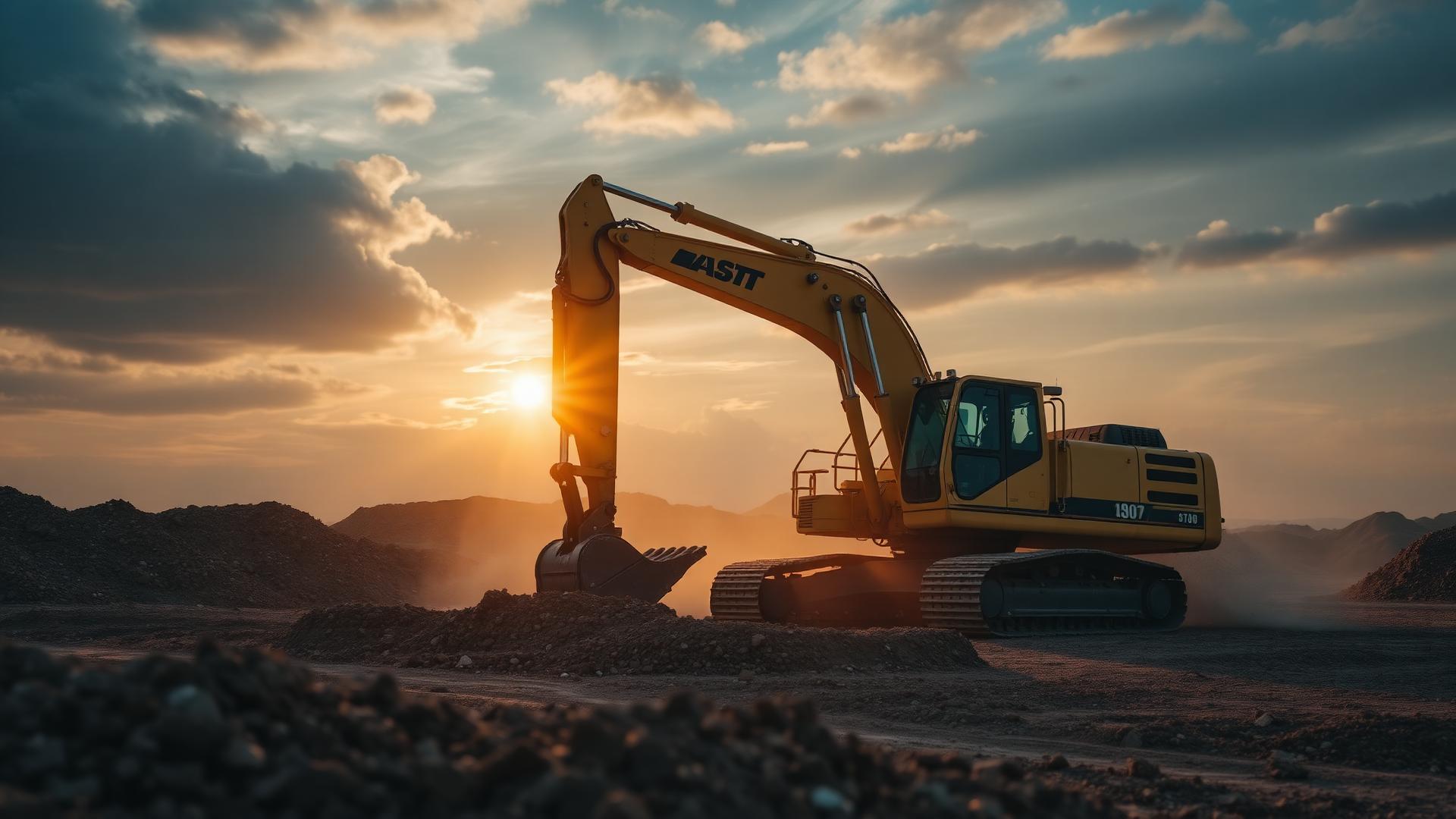
Heavy equipment. Heavier work ethic.
Two counties. Every season. One crew that shows up when it matters most.
Dirt moved. Snow cleared.
"They graded and cleared 4 acres for our new build in half the time we expected. Crew showed up when they said they would — every day."
Answers to the questions we hear most.
Service areas, estimates, insurance, scheduling, and how we work. For questions about a specific trade, each service page has its own detailed FAQ.
We work throughout Lake County, Illinois and Kenosha County, Wisconsin, including Waukegan, Gurnee, Libertyville, Mundelein, Grayslake, Round Lake, Zion, Antioch, Lake Villa, Kenosha, Pleasant Prairie, and Salem Lakes. Because our crews and equipment are based in the corridor between the two counties, we reach most properties quickly — which matters most during overnight snow events and time-sensitive dirt work. If your property sits just outside those lines, call anyway; we take work in neighboring communities when the schedule and drive time make sense.
We run three disciplines: earthwork and excavation, seal coating and asphalt maintenance, and 24/7 snow and ice management. They share the same equipment fleet, the same operators, and the same seasonal rhythm — dirt and pavement work from spring through fall, snow and ice from November through March. That is how the company stays busy year-round instead of subcontracting the off-season, and it means one accountable point of contact for a property that needs grading in April, sealing in July, and plowing in January.
Estimates are free and come with no obligation. Call (224) 627-6584 or send the contact form on this page with your address, the service you need, and a rough timeline. For most jobs we walk the property in person, take measurements or elevations, and photograph anything that affects the price. You receive a written, itemized quote — labor, materials, trucking, and restoration listed separately — usually within a couple of business days, and we walk you through exactly what is and is not included.
Yes. We carry general liability and workers' compensation coverage and can issue a certificate of insurance naming your property, management company, or lender as an additional insured before work begins. Property managers, HOAs, and commercial landlords typically require this, and we handle it as routine paperwork rather than a special request. We also carry the local registrations required by the villages and municipalities we work in.
Both. On the residential side we handle driveways, drainage and grading problems, small demolition, and seasonal snow service for private drives. On the commercial side we serve retail centers, industrial yards, medical and office parks, HOAs, municipalities, and general contractors needing site prep. The crew and equipment scale to the job — a two-day driveway repair gets the same written scope and cleanup standard as a multi-week site package.
For earthwork, two to four weeks is typical in the busy season, longer if permits or utility locates are involved. Seal coating books heaviest from June through August, so scheduling by late spring gets the best window. Snow contracts should be signed in September or October — once the first storm is in the forecast, routes are full and we can only take limited new properties. Emergency repairs and storm callouts are handled outside the normal queue whenever we have equipment available.
We accept check, ACH transfer, and major credit cards. Small residential jobs are usually billed on completion. Larger projects, and any job requiring significant material purchase up front, typically carry a deposit with the balance due at substantial completion — the exact terms are printed on your estimate before you sign, never added afterward. Seasonal snow contracts are billed monthly across the season so the cost stays predictable instead of spiking after a heavy storm.
Weather drives almost everything we do, and we plan for it. Seal coating requires dry pavement above 50°F with a rising forecast; excavation slows in saturated soil or deep frost. When the forecast will not support quality work, we reschedule rather than rush it, and you get a call with the new date — not a no-show. Rescheduling never carries a fee, and jobs bumped by weather keep their place in line rather than going to the back of the queue.
Yes. Workmanship is guaranteed, and the specific coverage depends on the service: seal coating and striping carry a season-based warranty against premature failure caused by application, patching and crack filling are warranted against material and installation defects, and grading and drainage work is warranted to perform as designed at the elevations we shot. Normal wear, third-party damage, and failures caused by an underlying base condition we flagged and you declined to repair are the usual exclusions, and they are stated in writing on the estimate.
Each service has its own page with in-depth questions and answers for that discipline. The earthwork page covers excavation cost, permits and utility locates, frost depth, drainage fixes, timelines, and site restoration. The seal coating and asphalt page covers cure times, application temperatures, crack filling versus sealing, patching, repave-versus-seal decisions, and line striping. The snow and ice page covers trigger depths, per-push versus seasonal pricing, response windows, walkway salting, snow hauling, and service documentation for liability claims.
Request your free quote.
Tell us about your project or seasonal contract. We'll get back within one business day — and within the hour during a storm.